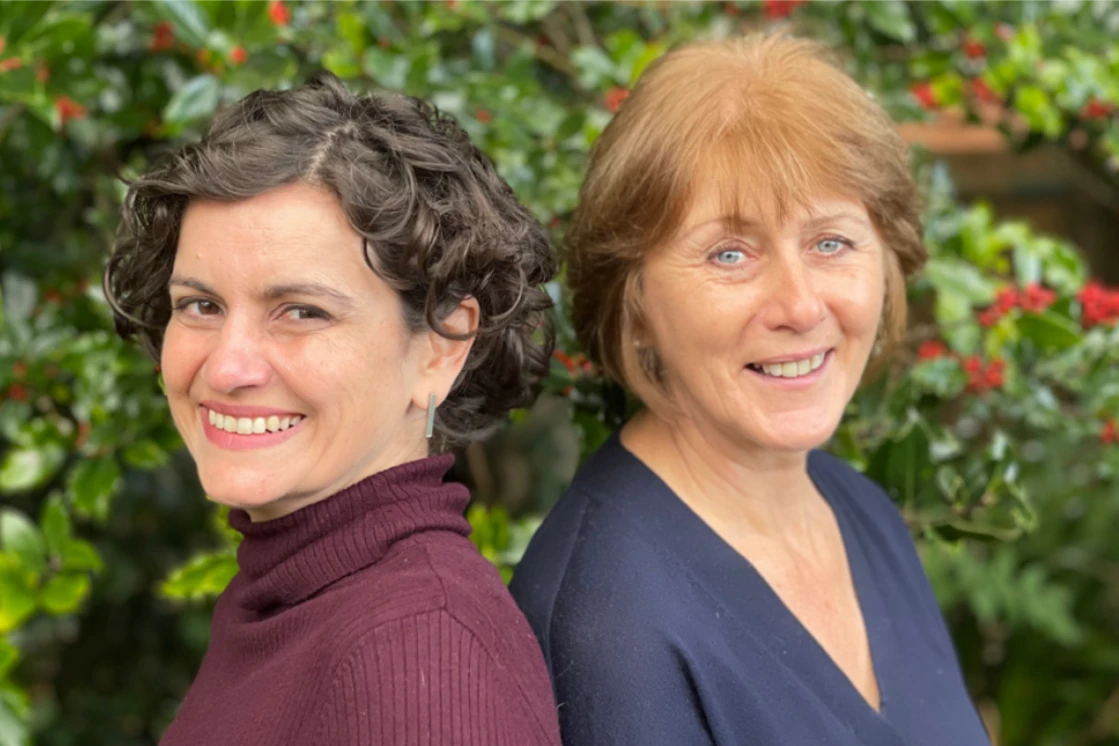

When parents separate, what are the options for agreeing child arrangements and how can you minimise the impact of a relationship breakup on children? In our May podcast, LSL Family Law’s Linda Lamb and Tanya Foster discussed child related matters. You can listen to the podcast here or keep reading to find out what Linda and Tanya had to say…
How can LSL Family Law assist with child arrangements?
At LSL Family Law, we provide a range of solutions for finalising arrangements for children: mediation between parents; child inclusive mediation; children arbitration; discussions between solicitors; and, sadly, sometimes we need to go to court.
What does children arbitration involve?
When parents can’t agree on arrangements for their children, whether that be spending time with significant people in their lives or providing financially for the children, arbitration can provide an effective alternative to court. The arbitration process involves a fair and impartial arbitrator making a binding decision about child arrangements. The arbitrator’s decision applies the law of England and Wales and is respected by the court. Unlike court, arbitration is a flexible issue resolution pathway and the process is tailor-made to suit the needs of the participants. The arbitrator is private judge who is selected by both parties by mutual agreement. The arbitrator oversees the whole process and provides as much or as little guidance as the parents need. Hearings are completely confidential and are arranged at the convenience of the parents. Arbitration is usually a cost effective alternative to court because it can be used to resolve discrete issues and parents are not subject to the timetable of the court and the lengthy wait which that entails.
How is child inclusive mediation different from classic family mediation?
Child inclusive mediation is an extension of classic family mediation (discussions held between adult participants) which involves children meeting with a specially trained mediator without their parents present. The discussions are confidential unless children agree that information can be relayed back to their parents. Child inclusive mediation can be a helpful and supportive step for children, enabling them to come to terms with their parents separating. Having someone neutral to chat to about their family situation – who can reassure them that the separation is not their fault – often comes as a huge relief. The benefits of child inclusive mediation were acknowledged in the 2015 report on the ‘Voice of the Child’ which recommended that every child over the age of ten years should have the opportunity to meet with a mediator.
Although COVID-19 changed our lives completely, Linda was uncomfortable with the prospect of not meeting children face to face for child inclusive mediation sessions. If the session took place online, there would be no way of knowing if there was a parent the other side of the screen, or listening outside the door. This could have lead to the child feeling inhibited or under pressure. When arranging child inclusive mediation sessions, Linda finds out what each child is interested in and what they like to eat which has resulted in picnics being held on the South Downs and at local National Trust properties. Linda’s dog is also willing to volunteer for a walk if children are keen! The sessions are all about meeting the needs of the child so Linda is very flexible about the format – anything that helps the children to feel relaxed and comfortable.
Once a safe space has been created, children are free to discuss how they really feel. Children often mention to the mediator things that they haven’t divulged to their parents for fear of upsetting them. Instead of reflecting what they think their parents want to hear, children can be honest with the mediator in the knowledge that their conversation is private. Sessions sometimes take an interesting turn with children having cause to vent about how badly their parents are behaving! These background details prove useful to the mediator when preparing for subsequent meetings with the parents, even if the mediator does not disclose the information.
What are the advantages of using a bespoke family law firm when choosing a legal representative?
As far as Tanya is concerned, the most important thing is to find a solicitor you can trust and get on well with. This is a very personal decision because you have to feel comfortable with your solicitor and be able to speak honestly and frankly with them. By all means, come along to LSL Family Law – meet us and see what you think – but it has to be the right decision for you and everyone is different. We are a specialist family law firm and we are completely family and child focused. We really care about family law and have chosen to practice in an issue-resolution orientated way i.e., avoiding court if possible. The vast majority of situations can be resolved without the cost – personal and financial – of the court process.
Our ethos is to preserve family relationships and to ensure the long term happiness of the family by enabling parents to communicate in a healthy, constructive way. This approach benefits everybody, especially the children.
Why does LSL Family Law recommend non-court pathways for agreeing child arrangements?
If communication between parents is already poor, going to court can be the final nail in the coffin. Once they commit to the court process, people tend to become very positional and their focus can shift away from the needs of the children, even if both parties think that they are doing the right thing. The Family Court is subject to huge delays and why should a complete stranger, who will probably never meet your children, be making decisions about their lives? You know your children better than anyone which is why an agreement reached together in mediation lasts longer than a court order.
Once you go to court and a child arrangements order is made, the terms are fixed and some parents become very rigid about how they are implemented. Children’s lives are not like that. They go through different stages as they get older and the arrangements should be flexible enough to provide for their changing needs.
The cost of going to court is also ridiculous. That money should be used by the family, not spent on legal bills and court fees.
Which issues are often commonly overlooked?
Linda’s main concern is that people tend to think about the now and forget about the future. The long-term impact on children – when they can’t bear the thought of their parents being at their graduation, wedding or other family celebration – also needs to be considered. Linda recently heard a sad story about a divorced couple who both refused to attend their daughter’s graduation if their ex-spouse was present! Even at the age of 23, their daughter was still suffering from the fallout of her parents’ acrimonious divorce, which just isn’t fair. Family lawyers need to help parents to overcome this hurdle. That’s why we encourage parents to look to the future when separating and negotiating child arrangements.
Is there such a thing as the perfect divorce?
Not a perfect divorce, says Tanya, but good divorces are certainly achievable! It is possible to do things well and keep the channels of communication open. Some clients find that their communication after a good divorce is better than it was at the end of their relationship. Your choice of solicitor is the key to how your divorce progresses. Find a solicitor who will help you to focus on positive long term outcomes.
And a last piece of advice, or two…
Don’t put too much pressure on your children or hold on too tight!
Sometimes, confiding in your children is too much for them to cope with. Parents need to talk to another adult about the issues they are experiencing: children shouldn’t have to carry the responsibility of their parents. Children should also be given the opportunity to have a relationship with both parents, unless there is a really good reason not to. Linda sends her new clients a selection of comments made by children whose parents have separated. It is incredibly powerful to read to what children have to say and the message is clear: they want to see the other parent and please don’t feel hurt because they do! It is not a personal slight, children are entitled to have a relationship with both parents and they should be encouraged in their choice.
Where can I find more information?
If you would like to find out more about the services we offer, please visit our children, mediation and arbitration pages or give Linda or Tanya a call on 01273 041011.
We also recommend the Resolution website, the government website pages entitled Making child arrangements if you divorce or separate, the Family Mediation Council website and the Cafcass article on supporting your children through divorce and separation.